The Afrabia Centre for Islamic Heritage The Afrabia Centre for Islamic Heritage Preserving history from oblivion.
A non-profit research institution · Nairobi, Kenya

Afrabia Centre for Islamic Heritage in East Africa


Guarding history against forgetting — academic research, field documentation, and open-access knowledge for all.

The Great Mosque, Kilwa Kisiwani (c. 11th–18th c.), Tanzania · Richard Mortel, Wikimedia Commons, CC BY 2.0
About Us

The Afrabia Centre for Islamic Heritage in East Africa is a specialised, non-profit research institution dedicated to the study of Islamic civilisation in East Africa: preserving its manuscripts and documents, recording its history and material remains, and bringing its scholarly and cultural contributions into view.

We work through academic research, systematic documentation, and open access to knowledge for researchers and the wider public — and we connect international heritage bodies with the local institutions that hold this legacy in trust. (More on the About page)

12Countries within our scope of work
4Overlapping geographic regions
6Areas of scholarly work
100%Free access for researchers
Areas of Work

Six pathways to preserve a civilisational memory

From a manuscript in a family library, to an inscription on a gravestone, to the history of a vanished sultanate — we work on what is about to be lost before it is lost.

Manuscripts and Documents

Manuscripts and Documents

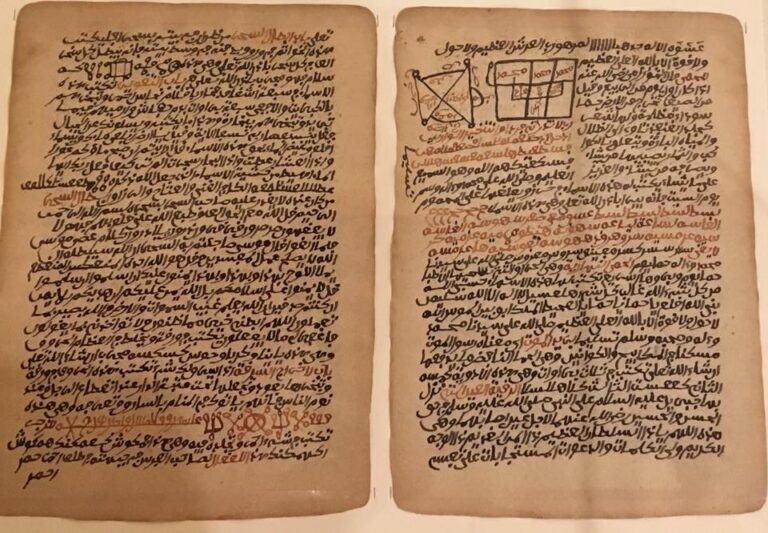
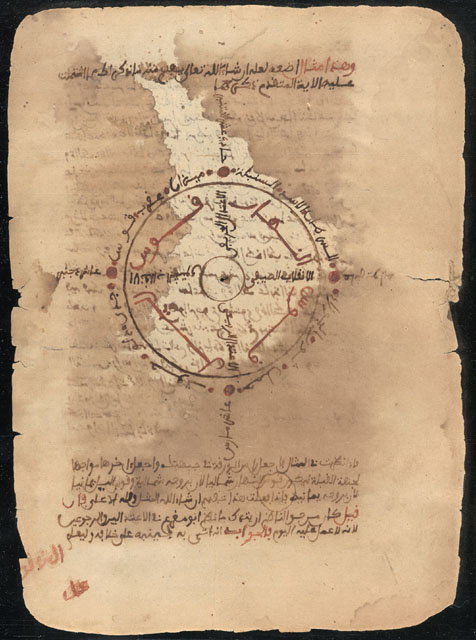
We trace Islamic manuscripts scattered across the region's libraries, zawiyas and family collections. We document them where they are, digitise them on site with portable equipment, and catalogue them to a single unified standard.

Read more →
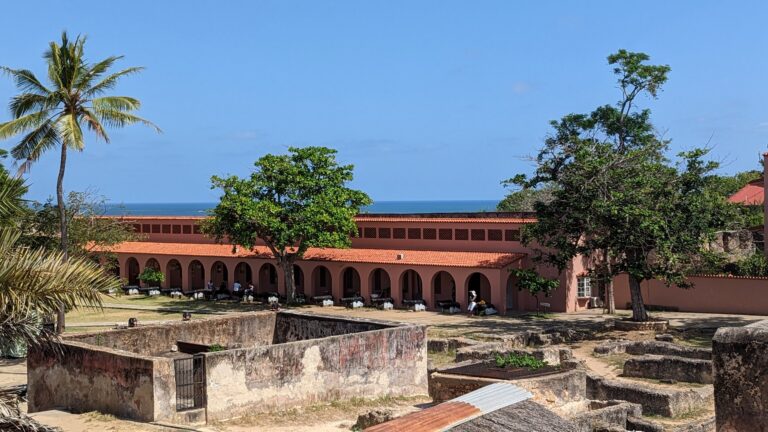
Antiquities, Inscriptions and Architecture

Antiquities, Inscriptions and Architecture

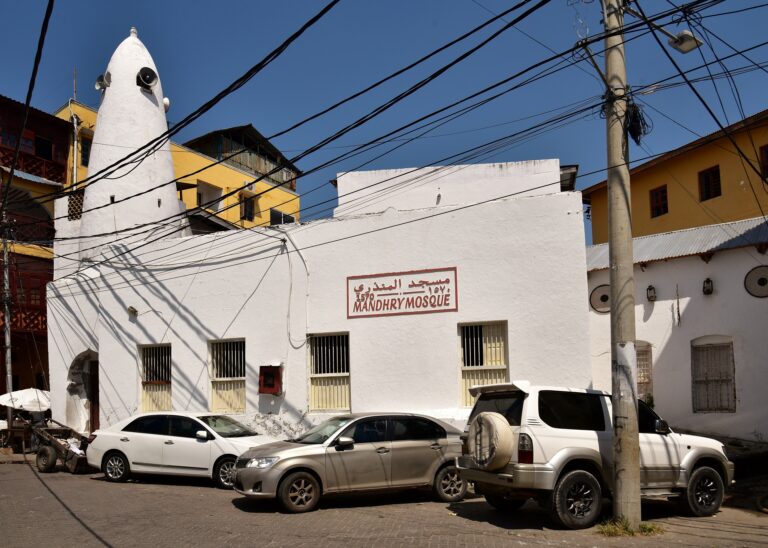
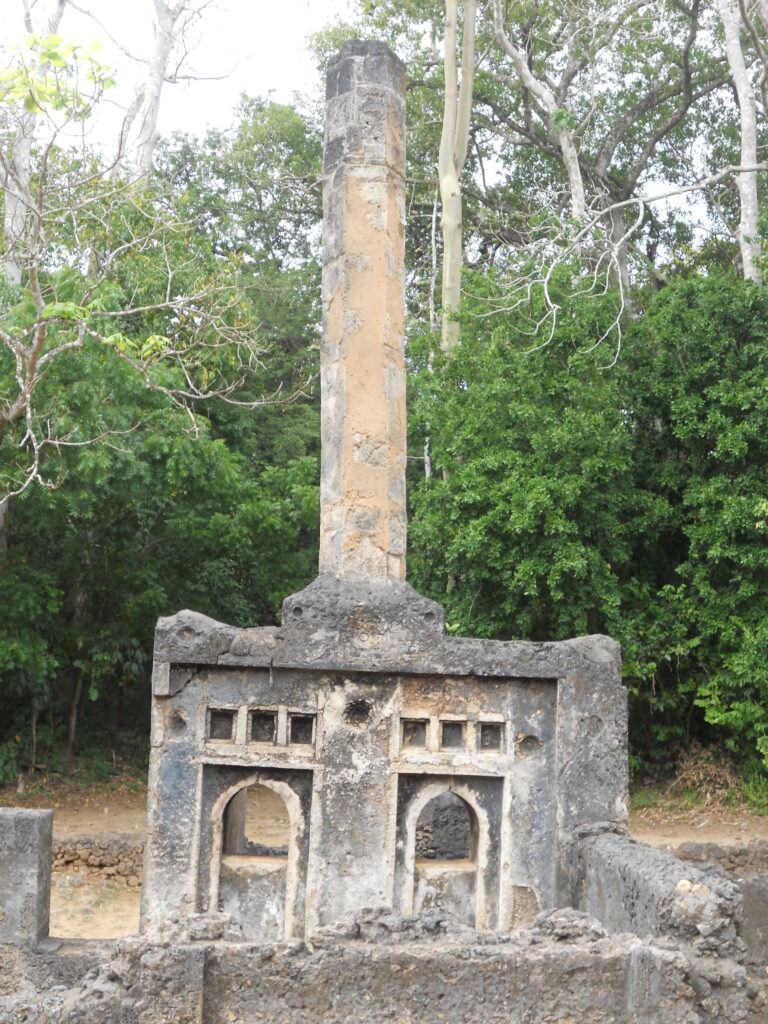
Field surveys of mosques, madrasas, cemeteries, town walls and funerary inscriptions — recorded through photography, measurement and GPS coordinates, then read and dated.

Read more →
History of Islamic States and Sultanates

History of Islamic States and Sultanates

The emirates and sultanates that arose in the region: their formation, political and judicial systems, relations with neighbours and the wider world, and the reasons for their rise and decline.

Read more →
Biographies and Scholarly Families

Biographies and Scholarly Families

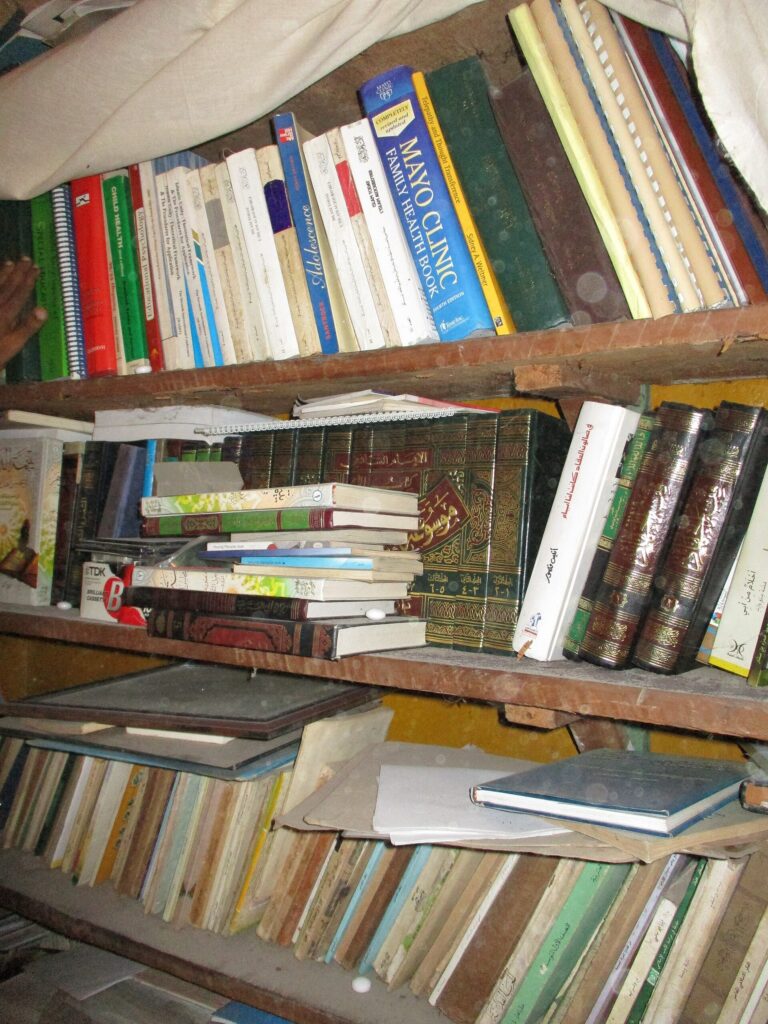
Biographies of the region's scholars, judges, teachers and copyists, with chains of transmission, teaching licences (ijazat) and centres of learning — including the contribution of women as copyists, teachers and endowers of waqf.

Read more →
Ajami and Local Languages

Ajami and Local Languages

Material written in Arabic script in the region's own languages — Swahili, Somali and others — across poetry, homiletics, jurisprudence and correspondence. Most of this heritage remains uncatalogued and unstudied.

Read more →
Publishing and Public Engagement

Publishing and Public Engagement

Alongside academic publication, we present our work in accessible language. We also run workshops training young researchers from the region in cataloguing, documentation and digitisation.

Read more →
The Name

Why "Afrabia"?

Afrabia is a portmanteau — because along this coast the Arab and the African merged and produced a third civilisation. The term was coined by the Kenyan thinker Ali Mazrui (1933–2014), a son of Mombasa, to describe the deep interweaving of African and Arab along this coastline.

We chose this name to affirm that Islamic civilisation in East Africa is the outcome of a long process of exchange, shaped as much by the people of the coast and the interior as by those who came to it.

Where We Work

From Mogadishu to Sofala

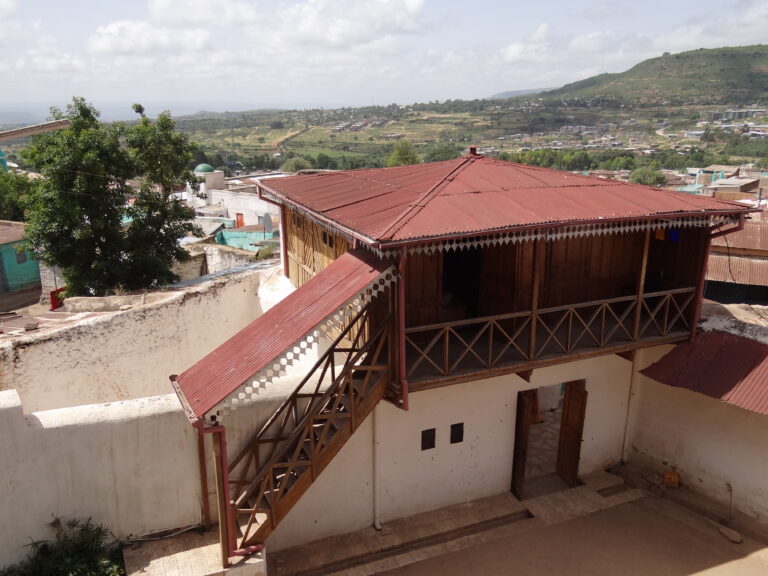
And from the Dahlak Islands to Harar, Zanzibar and the Comoros — four overlapping regions united by sea and history.

"Documentation before loss is the last thing that can be done — and sometimes the first thing that prevents the loss." — From the Centre's methodology
Digital Library

Knowledge accessible to all

We believe knowledge is a right, not a privilege. Digitised material is made freely available to researchers and anyone with an interest in it, with the licence stated on every record.

Manuscripts

Manuscripts

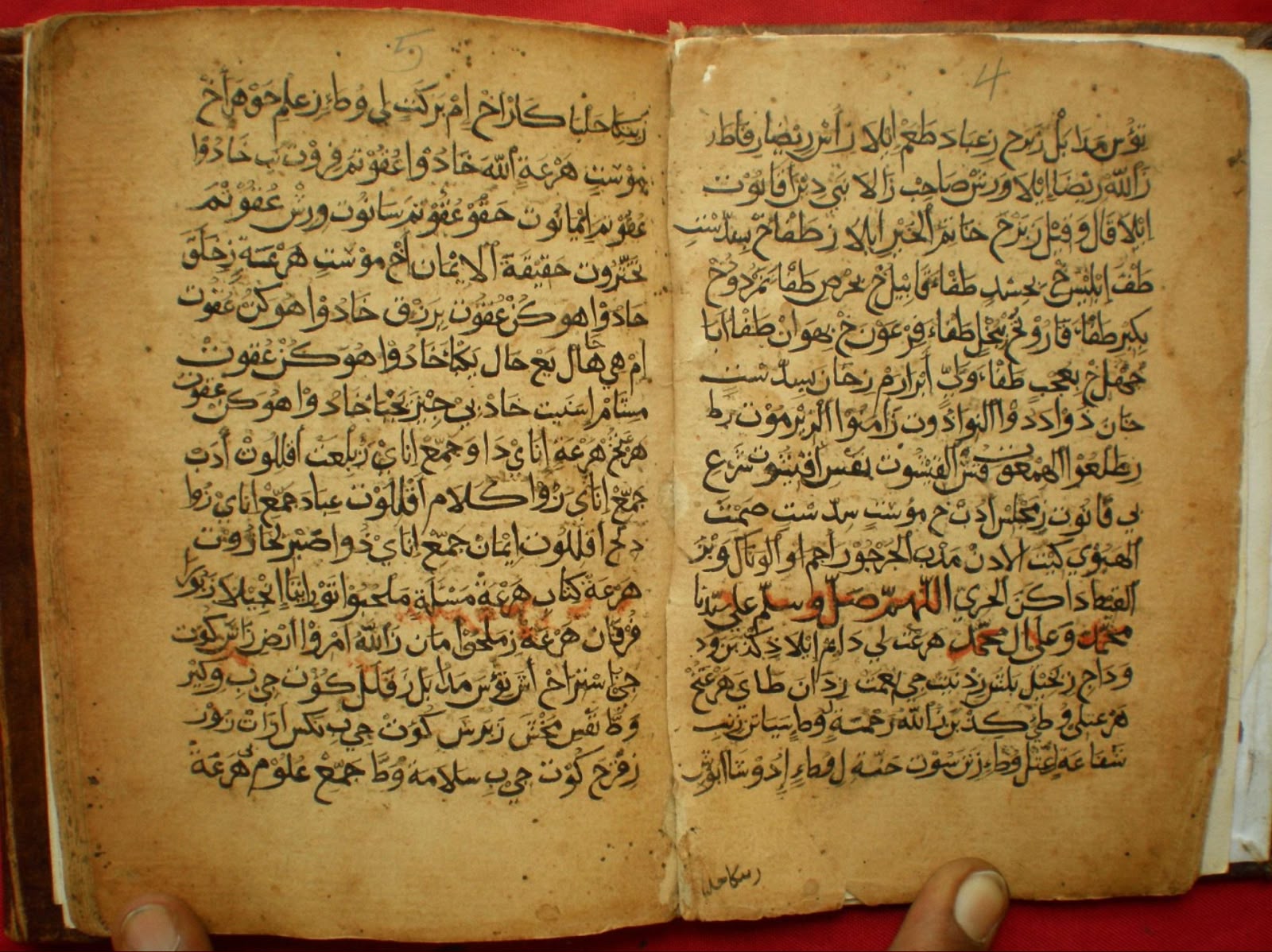
Juridical, Sufi and historical manuscripts from the region's libraries and family collections, catalogued to a unified standard.

Documents

Documents

Waqf deeds, court records and correspondence — photographed to archival quality and preserved in open, long-term formats.

Historical Maps

Historical Maps

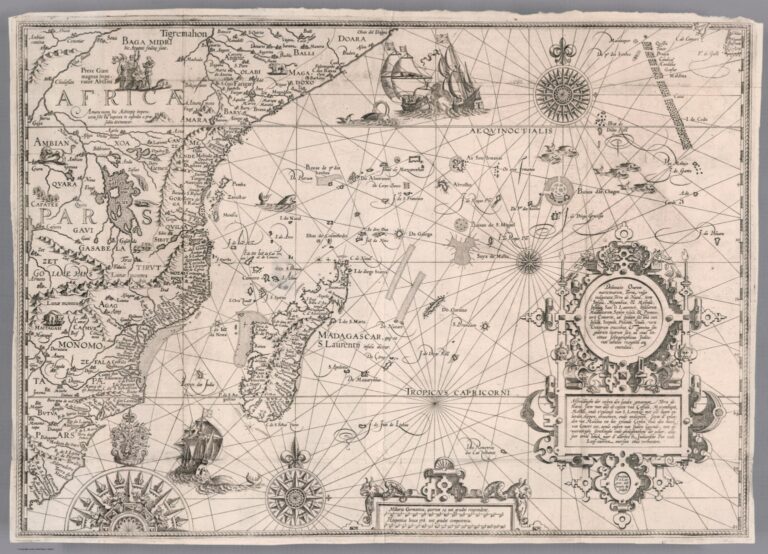
Maps of the coast and the Indian Ocean that trace the maritime connections on which the region's civilisation was built.

Enter the Digital Library
What Sets Our Work Apart

Four principles that guide every project

Rigour and Precision

We commit to scholarly accuracy, rely on verified sources, and state the degree of certainty in every record.

Rooted in Place

Our projects begin with the communities that hold this heritage, in partnership with manuscript owners and local institutions.

Collaboration

We work with universities and research centres, and connect them with international bodies engaged in safeguarding shared heritage.

Knowledge for Everyone

Digitised material is made freely available, and every owner receives their own digital copy together with a condition and description report.

Get Involved

A civilisation's memory cannot be preserved by a single institution

Every manuscript, every document, every piece of historical information helps preserve the memory of a people. Donate a manuscript, report heritage at risk, or partner with us on research.